

Embracing Efficiency and Comfort: Electric Fans for Cars

Embracing Efficiency and Comfort: Electric Fans for Cars
As the automotive industry rapidly evolves towards sustainable practices, electric vehicles (EVs) are garnering significant attention for their eco-friendliness and energy efficiency. Among the many components contributing to an EV's efficiency is the electric fan. These unassuming devices play a pivotal role in keeping the vehicle's temperature in check, ensuring a smooth and comfortable ride for passengers and safeguarding the health of the electric powertrain. In this blog, we will delve into the importance of electric fans for cars, their benefits, and the advancements in this technology.
-
Cooling Systems and the Role of Electric Fans
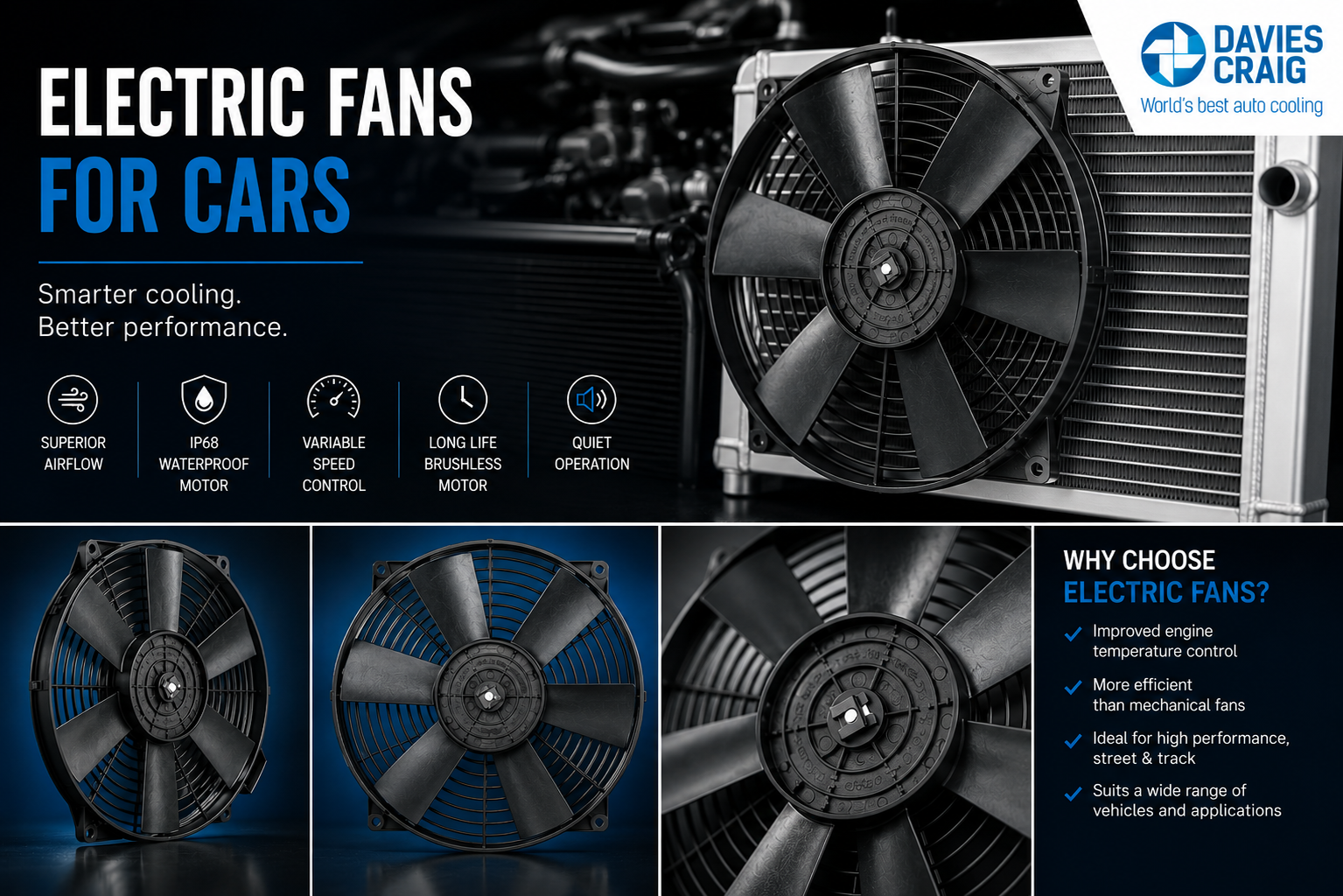
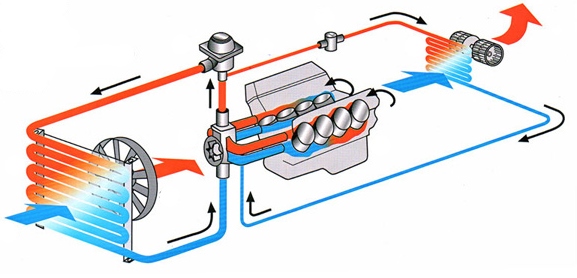
Cooling systems in vehicles are essential for maintaining optimal operating temperatures for the engine and other crucial components. Electric fans play a critical role in this process by drawing cool air through the radiator, removing excess heat generated during the combustion process. Traditional internal combustion engine (ICE) vehicles have used mechanical fans connected to the engine, but EVs benefit from the adoption of electric fans, which offer superior efficiency and control.
-
Advantages of Electric Fans
2.1. Enhanced Energy Efficiency: One of the primary advantages of electric fans is their energy efficiency. Unlike mechanical fans, electric fans consume power only when needed, reducing unnecessary power drain on the vehicle's electrical system. This efficiency translates to increased driving range and improved overall performance.
2.2. Precise Temperature Control: Electric fans provide precise control over cooling, responding quickly to changes in the vehicle's temperature. This not only optimizes the cooling process but also prevents overcooling, further conserving energy.
2.3. Quieter Operation: Mechanical fans can generate considerable noise, contributing to the overall noise pollution of the vehicle. Electric fans, on the other hand, operate quietly, ensuring a more serene driving experience.
2.4. Space Optimization: EVs often face challenges in maximizing space due to battery packs and other electrical components. Electric fans are compact and allow for flexible placement, making efficient use of available space.
-
Advancements in Electric Fan Technology
Recent years have witnessed significant advancements in electric fan technology, further elevating their performance and efficiency.
3.1. Variable Speed Fans: Modern electric fans are equipped with variable speed controls, adjusting fan speed based on temperature requirements. This feature optimizes energy usage and ensures that the fan operates at the necessary speed to maintain the desired temperature.
3.2. Brushless Motors: Traditional electric fans often utilized brushed motors, which were less efficient and required more maintenance. Brushless motors, commonly used in modern electric fans, offer better reliability, longer lifespan, and reduced power consumption.
3.3. Intelligent Fan Controllers: Advanced fan controllers integrate with the vehicle's computer systems, allowing for smart fan management based on real-time data. These controllers can adjust fan speed based on factors such as engine load, outside temperature, and driving conditions, optimizing the cooling process for maximum efficiency.


Conclusion
Electric fans have become indispensable components in modern electric vehicles, playing a crucial role in maintaining efficient cooling systems and ensuring a comfortable driving experience. With continuous advancements in technology, electric fans have become more energy-efficient, quieter, and capable of precise temperature control. As the automotive industry continues its shift towards sustainability, electric fans for cars will remain at the forefront of innovation, contributing to greener and smarter mobility solutions.